
If you’ve been hearing about Korean skincare, glass skin, and K-beauty products, you’re not alone. Over the past few years, Korean skincare has become one of the fastest-growing beauty trends in Canada because of its gentle ingredients, innovative formulas, and long-term approach to healthy skin. Instead of hiding skin concerns with makeup, Korean skincare focuses on improving your skin barrier, maintaining hydration, and preventing problems before they start. This philosophy makes it suitable for almost every skin type, including dry, oily, combination, acne-prone, and sensitive skin. Canadians especially benefit from Korean skincare because harsh winters, indoor heating, and seasonal weather changes can weaken the skin barrier and cause dryness, redness, and irritation.
If you’re just getting started, this complete guide will explain everything you need to know about What Is Korean Skincare products how the routine works, and how you can build an effective skincare routine using authentic Korean skincare products available in Canada.
What Is Korean Skincare?
Korean skincare, often called K-Beauty, is a skincare philosophy that prioritizes healthy, hydrated skin rather than quick fixes. Unlike routines that rely heavily on strong active ingredients, Korean skincare focuses on:
- Preventing skin damage
- Protecting the skin barrier
- Layering lightweight hydration
- Using gentle yet effective ingredients
- Maintaining consistency
The goal isn’t perfection overnight. Instead, it’s healthier skin that naturally becomes smoother, brighter, and more radiant over time. Many dermatologists and skincare experts recommend beginning with only a few essential products rather than the traditional 10-step routine often associated with K-beauty.
Why Is Korean Skincare So Popular in Canada?
Canadian weather creates unique skincare challenges.
During winter, low humidity and freezing temperatures remove moisture from the skin. Summer can increase oil production while UV exposure contributes to pigmentation and premature aging.
Korean skincare products are designed to:
- Repair damaged skin barriers
- Deeply hydrate the skin
- Calm redness and irritation
- Improve uneven skin tone
- Reduce acne breakouts
- Strengthen moisture retention
This makes K-beauty an excellent option for Canadians throughout the year.
Korean Skincare Philosophy
Instead of treating damaged skin after problems appear, Korean skincare focuses on prevention.
The core principles include:
- Gentle cleansing
- Daily hydration
- Sun protection
- Healthy skin barrier
- Lightweight product layering
- Consistent daily care
This long-term approach often produces healthier skin with fewer breakouts, better elasticity, and improved skin texture.
Understanding Your Skin Type First
Before buying any skincare products, determine your skin type.
Dry Skin
- Tight feeling
- Flaky patches
- Rough texture
Oily Skin
- Excess oil
- Enlarged pores
- Frequent breakouts
Combination Skin
- Oily T-zone
- Dry cheeks
Sensitive Skin
- Easily irritated
- Redness
- Burning sensation
Normal Skin
- Balanced oil production
- Few skin concerns
Knowing your skin type helps you choose the right Korean skincare products.
Step-by-Step Korean Skincare Routine
Step 1: Oil Cleanser (Night)
An oil cleanser removes:
- Sunscreen
- Makeup
- Sebum
- Pollution
- Waterproof cosmetics
Oil dissolves oil, making this step extremely effective without stripping moisture.
Step 2: Water-Based Cleanser
Follow with a gentle foam or gel cleanser.
This removes:
- Sweat
- Dirt
- Remaining impurities
Double cleansing is one of the biggest differences between Korean skincare and traditional routines.
Step 3: Exfoliation (1–2 Times Weekly)
Exfoliation removes dead skin cells.
Benefits include:
- Brighter complexion
- Smoother texture
- Better product absorption
- Fewer clogged pores
Avoid over-exfoliating.
Step 4: Toner
Hydrating toners help:
- Restore skin pH
- Add moisture
- Prepare skin for serums
- Reduce dryness
Unlike alcohol-based toners, Korean toners emphasize hydration.
Step 5: Essence
Essence is one of the signature products in Korean skincare.
Benefits include:
- Deep hydration
- Improved elasticity
- Better absorption
- Healthy glow
Essences contain lightweight active ingredients that nourish the skin.
Step 6: Serum or Ampoule
This step targets specific skin concerns.
Popular serums include:
- Vitamin C Serum
- Niacinamide Serum
- Hyaluronic Acid Serum
- Centella Asiatica Serum
- Snail Mucin Serum
- Retinol Serum
- Peptide Serum
Each addresses different concerns such as acne scars, pigmentation, wrinkles, dehydration, or dullness.
Step 7: Sheet Mask (Optional)
Use 1–3 times weekly.
Sheet masks deliver concentrated hydration and soothing ingredients.
Perfect before events or after long days outdoors.
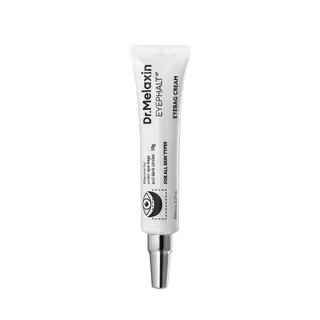
Step 8: Eye Cream
Eye creams help:
- Hydrate delicate skin
- Reduce puffiness
- Improve fine lines
- Minimize dark circles
Step 9: Moisturizer
Moisturizers seal in hydration.
Choose according to your skin type:
- Gel moisturizer for oily skin
- Cream moisturizer for dry skin
- Lightweight lotion for combination skin
Step 10: Sunscreen (Morning Only)
Never skip sunscreen.
Daily SPF protects against:
- UV damage
- Hyperpigmentation
- Wrinkles
- Premature aging
Most Korean sunscreens are lightweight, non-greasy, and suitable under makeup.
Do You Really Need 10 Steps?
No.
Most beginners only need:
- Cleanser
- Toner
- Serum
- Moisturizer
- Sunscreen
The famous 10-step routine is flexible—not mandatory. Experts and experienced users often recommend starting with 4–6 essential products and adding more only if needed.
Best Korean Skincare Ingredients
Some of the most searched Korean skincare ingredients include:
- Hyaluronic Acid
- Niacinamide
- Snail Mucin
- Centella Asiatica
- Ceramides
- Panthenol
- Propolis
- Green Tea Extract
- Rice Extract
- Heartleaf Extract
- Vitamin C
- Tranexamic Acid
- Peptides
- Collagen
- Retinol
- Mugwort
- Cica
- Beta Glucan
- Madecassoside
Each ingredient supports hydration, calming, brightening, anti-aging, or barrier repair.
Common Korean Skincare Terms
- Glass Skin – Smooth, hydrated, radiant complexion.
- Skin Barrier – Protective outer layer of your skin.
- Double Cleansing – Oil cleanser followed by water cleanser.
- Essence – Lightweight hydrating treatment.
- Ampoule – Highly concentrated serum.
- Sleeping Mask – Overnight moisturizing treatment.
Beginner Mistakes to Avoid
Many beginners make these mistakes:
- Buying too many products at once
- Mixing strong active ingredients
- Skipping sunscreen
- Over-exfoliating
- Changing routines every week
- Ignoring patch testing
Consistency delivers better results than constantly switching products.
How Long Does Korean Skincare Take to Work?
Results vary.
Typical improvements:
- Hydration: 1–2 weeks
- Brighter skin: 2–4 weeks
- Acne improvement: 4–8 weeks
- Dark spots: 8–12 weeks
- Fine lines: Several months
Healthy skin develops gradually with regular use.
How to Build a Simple Korean Skincare Routine
Morning
- Gentle Cleanser
- Hydrating Toner
- Vitamin C or Niacinamide Serum
- Moisturizer
- Sunscreen SPF 50+
Evening
- Oil Cleanser
- Water Cleanser
- Toner
- Essence
- Serum
- Moisturizer
- Sleeping Mask (Optional)
Where to Buy Authentic Korean Skincare in Canada
Always purchase from trusted retailers that sell authentic products from reputable Korean brands. Shopping from authorized Canadian stores helps ensure product authenticity, faster shipping, and easier customer support. You can browse a wide selection of cleansers, toners, serums, moisturizers, sunscreens, sheet masks, and other K-beauty essentials here:
Final Thoughts
Korean skincare is more than a beauty trend—it’s a thoughtful approach to achieving healthier skin through prevention, hydration, and consistency. Whether your goal is glass skin, reducing acne, fading dark spots, strengthening your skin barrier, or simply keeping your skin comfortable through Canada’s changing seasons, a simple K-beauty routine can deliver long-term results. Start with the essentials, choose products that match your skin type, and build your routine gradually. Over time, this gentle, science-backed approach can help you achieve smoother, brighter, and healthier-looking skin.
Frequently Asked Questions
Is Korean skincare suitable for sensitive skin?
Yes. Many Korean skincare products contain soothing ingredients like Centella Asiatica, Panthenol, Heartleaf, and Ceramides that help calm sensitive skin.
Can beginners use Korean skincare?
Absolutely. Beginners should start with a cleanser, toner, moisturizer, and sunscreen before gradually adding serums or essences.
Do I need all 10 steps?
No. Most people achieve excellent results with a simple 4–6 step routine.
What is the best Korean skincare ingredient for hydration?
Hyaluronic Acid, Snail Mucin, Ceramides, and Panthenol are among the best hydrating ingredients.
Is Korean skincare good for acne?
Yes. Ingredients like Niacinamide, Centella Asiatica, Salicylic Acid, Tea Tree, and Heartleaf help reduce breakouts while supporting the skin barrier.
How often should I exfoliate?
Generally 1–2 times per week, depending on your skin type and the exfoliant you use.
Can I use Korean skincare during Canadian winters?
Yes. Barrier-focused products, hydrating toners, ceramide creams, and rich moisturizers are especially beneficial during cold, dry Canadian winters.